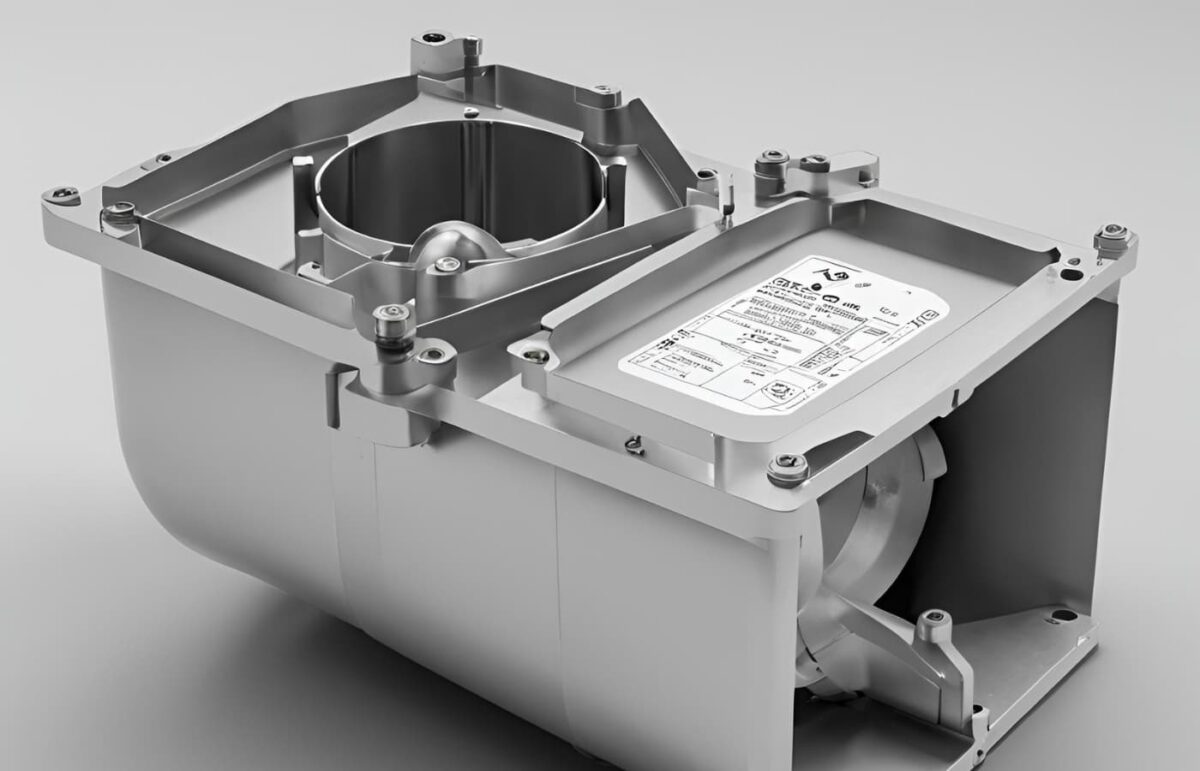
In the intricate network of your building’s Heating, Ventilation, and Air Conditioning (HVAC) system, there exists a component that often goes unnoticed yet plays a crucial role in fire safety and energy efficiency: the Fire And Smoke Damper Actuators. These unassuming devices are the unsung heroes that can make all the difference in an emergency situation, working silently in the background to protect your building and its occupants.
What Are Damper Actuators?
Damper actuators are essentially motorized devices that control the opening and closing of dampers within your HVAC system. Dampers are movable plates installed inside air ducts or ventilation shafts. Their primary function is to regulate airflow, either by fully opening or closing to block airflow completely, or by modulating to partially restrict airflow.
The Role of Fire and Smoke Damper Actuators
Fire and smoke damper actuators are specifically designed to work in conjunction with fire and smoke dampers. In the event of a fire, these actuators are activated by a fire alarm system or smoke detector. Upon activation, they automatically close the fire and smoke dampers, preventing the spread of smoke and flames throughout the building.
How Do Fire and Smoke Damper Actuators Work?
Types of Fire and Smoke Damper Actuators
There are several types of fire and smoke damper actuators, each with its own mechanism:
- Spring-Return Actuators: These actuators use a spring mechanism to close the damper in the event of a power outage or fire alarm activation.
- Electric Actuators: These actuators rely on an electric motor to control the damper’s position. They offer precise control and can be easily integrated with building automation systems.
- Pneumatic Actuators: These actuators use compressed air to operate the damper. They are known for their reliability and fast response times.
The Activation Process
When a fire alarm system detects smoke or heat, it sends a signal to the fire and smoke damper actuator. The actuator then quickly closes the corresponding damper, effectively compartmentalizing the fire and preventing it from spreading.
Why Are Fire and Smoke Damper Actuators Important?
The importance of fire and smoke damper actuators cannot be overstated. As far as business operations go, they are crucial for ensuring the safety of building occupants and minimizing property damage in the event of a fire.
In addition to fire safety, these actuators also play a role in energy efficiency. By modulating airflow, they can help optimize HVAC system performance, reducing energy consumption and costs.
Common Applications of Damper Actuators in HVAC Systems
Damper actuators are not limited to fire safety applications. They are also used in a variety of HVAC systems for various purposes:
- Controlling Airflow: Damper actuators can regulate the flow of air throughout a building, ensuring optimal comfort and energy efficiency.
- Balancing Air Pressure: In complex HVAC systems, damper actuators are used to maintain proper air pressure balance, preventing issues like drafts and uneven temperatures.
- Zone Control: Damper actuators can be used to create separate heating and cooling zones within a building, allowing for customized temperature control in different areas.
Choosing the Right Fire and Smoke Damper Actuator
Selecting the right fire and smoke damper actuator requires careful consideration of several factors:
- Damper Size and Torque: The actuator must have enough torque to operate the damper effectively.
- Power Supply: Consider whether you need an electric, pneumatic, or spring-return actuator based on your building’s infrastructure.
- Fail-Safe Operation: Ensure that the actuator has a fail-safe mechanism to close the damper in the event of a power outage.
- Environmental Conditions: Choose an actuator that is suitable for the specific environment in which it will be installed.
FSLF120: A Reliable Fire and Smoke Damper Actuator
In the realm of fire and smoke damper actuators, the FSLF120 stands out as a reliable and high-performance option. Designed with precision and durability in mind, the FSLF120 offers several key features:
- High Torque Output: The FSLF120 delivers ample torque to operate a wide range of fire and smoke dampers.
- Fail-Safe Operation: It features a spring-return mechanism that ensures the damper closes in the event of a power outage or fire alarm activation.
- Easy Installation and Maintenance: The FSLF120 is designed for straightforward installation and hassle-free maintenance.
Maintaining Your Fire and Smoke Damper Actuators
Proper maintenance is essential for ensuring the continued reliability of your fire and smoke damper actuators. Regular inspections, testing, and lubrication are key to preventing malfunctions and ensuring that your actuators are ready to perform when needed.
Common Issues and Troubleshooting
Like any mechanical device, fire and smoke damper actuators can experience occasional issues. Some common problems include:
- Actuator Failure: The actuator may fail to open or close the damper due to a mechanical or electrical fault.
- Damper Binding: The damper may become stuck or bind, preventing the actuator from operating correctly.
- Wiring Problems: Faulty wiring or loose connections can cause the actuator to malfunction.
Conclusion
As we’ve explored, Fire and Smoke Damper Actuators are the unsung heroes of your HVAC system, safeguarding your building and its occupants from the devastating effects of fire and smoke. Understanding their function, importance, and maintenance requirements is crucial for ensuring the safety and well-being of everyone who uses your building. And with reliable options like the FSLF120 available, you can rest assured that your fire protection system is in good hands.
By investing in high-quality damper actuators and adhering to proper maintenance practices, you can help create a safer and more resilient environment for everyone.