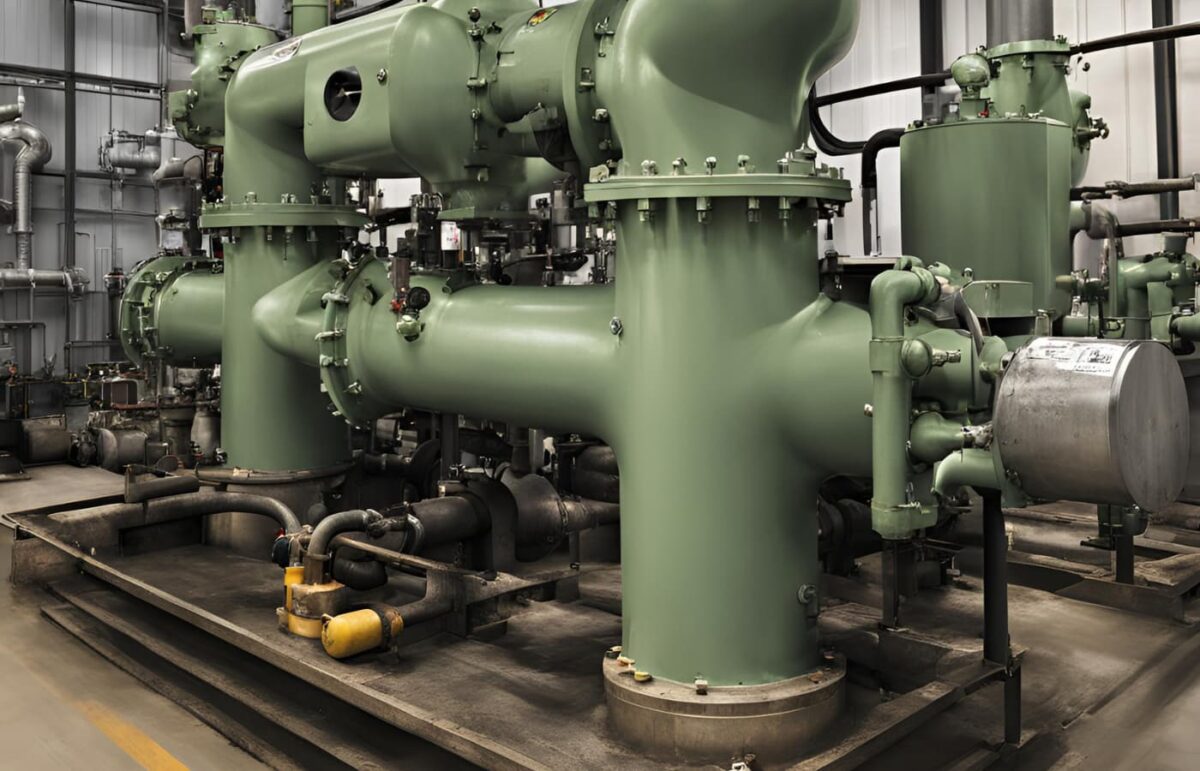
In the intricate network of your home’s heating, ventilation, and air conditioning (HVAC) system, plumbing pumps act as the unsung heroes, ensuring the efficient circulation of water and other fluids. While often overlooked, these pumps are essential for maintaining optimal comfort and performance. In this comprehensive guide, we’ll delve into the world of plumbing pumps, exploring their functions, types, maintenance tips, and why they are crucial for your HVAC system’s well-being.
Plumbing pumps are the unsung heroes of your HVAC system, working tirelessly to ensure optimal performance and comfort. By understanding their functions, types, and maintenance requirements, you can take proactive steps to keep your pump running smoothly and prevent costly breakdowns. With regular maintenance and the right pump for your needs, like the 0013-SF3, you can enjoy a comfortable and efficient home environment for years to come.
The Crucial Role of Plumbing Pumps
Plumbing pumps are the driving force behind various HVAC processes, ensuring that water and other fluids are circulated throughout your system as needed. Without them, many essential functions, such as heating, cooling, and dehumidification, would be impossible. Imagine a circulatory system without a heart that’s the role plumbing pumps play in your HVAC system.
Different Types of Plumbing Pumps in HVAC
Circulator Pumps
These are the most common type of plumbing pumps found in HVAC systems. Circulator pumps are responsible for moving water through your home’s heating system, ensuring a consistent and efficient flow of hot water to radiators or underfloor heating systems.
Condensate Pumps
As your air conditioner or furnace operates, it produces condensation. Condensate pumps collect and remove this water, preventing it from accumulating and causing damage to your system or property.
Boiler Feed Pumps
Boiler feed pumps are used in hydronic heating systems to maintain the proper water level in the boiler. They ensure a continuous supply of water to the boiler, preventing it from running dry and potentially causing damage.
Sump Pumps
While not directly part of the HVAC system, sump pumps are often installed in basements or crawl spaces to remove excess water and prevent flooding. They play a crucial role in protecting your home’s foundation and preventing water damage.
Common Issues and Troubleshooting
Like any mechanical component, plumbing pumps can experience occasional problems. Here are some common issues and troubleshooting tips:
Pump Not Starting
- Check the power supply: Ensure the pump is plugged in and receiving power.
- Check the circuit breaker: Reset the circuit breaker if it has tripped.
- Inspect the wiring: Look for loose or damaged wires.
Pump Running Continuously
- Check the float switch: The float switch may be stuck or malfunctioning.
- Check for leaks: Leaks in the system can cause the pump to run continuously.
Pump Making Noise
- Check for air in the system: Air can cause cavitation, leading to noise and potential damage.
- Lubricate the pump: Lack of lubrication can cause noise and wear.
If you’re unable to resolve the issue, it’s best to call a professional plumber to diagnose and repair the problem.
Maintenance Tips to Extend Your Pump’s Lifespan
Regular maintenance is key to ensuring the longevity and optimal performance of your plumbing pump. Here are some essential maintenance tips:
- Regularly inspect the pump: Look for any signs of leaks, corrosion, or unusual noises.
- Keep the pump clean: Remove any debris or dirt that may accumulate around the pump.
- Lubricate the pump (if applicable): Check the manufacturer’s instructions for lubrication recommendations.
- Test the pump periodically: Ensure the pump is working correctly by activating it manually or checking the automatic operation.
By following these maintenance tips, you can prevent costly repairs and extend the lifespan of your plumbing pump.
0013-SF3: A Reliable Choice for Your HVAC System
When it comes to selecting a plumbing pump for your HVAC system, the 0013-SF3 is a reliable and efficient option. This pump is designed for durability and performance, making it a popular choice for a variety of applications. Its compact size and quiet operation make it ideal for residential installations.
Smart Pump Integration and Monitoring
Modern plumbing pumps often come equipped with smart technology that allows for integration with your home automation system. This connectivity enables you to monitor the pump’s performance, receive alerts in case of malfunctions, and even control the pump remotely through a smartphone app. Smart pump integration not only enhances convenience but also provides valuable insights into your pump’s operation, helping you identify potential issues early on and take proactive measures to prevent breakdowns.
The Environmental Impact of Pump Efficiency
Choosing an energy-efficient plumbing pump is not only beneficial for your wallet but also for the environment. Inefficient pumps consume more electricity, contributing to greenhouse gas emissions and environmental pollution. By opting for a pump with a high-efficiency rating, you can reduce your carbon footprint and contribute to a more sustainable future. Many energy-efficient pumps also come with features like variable speed control, which further optimizes energy usage and minimizes waste.