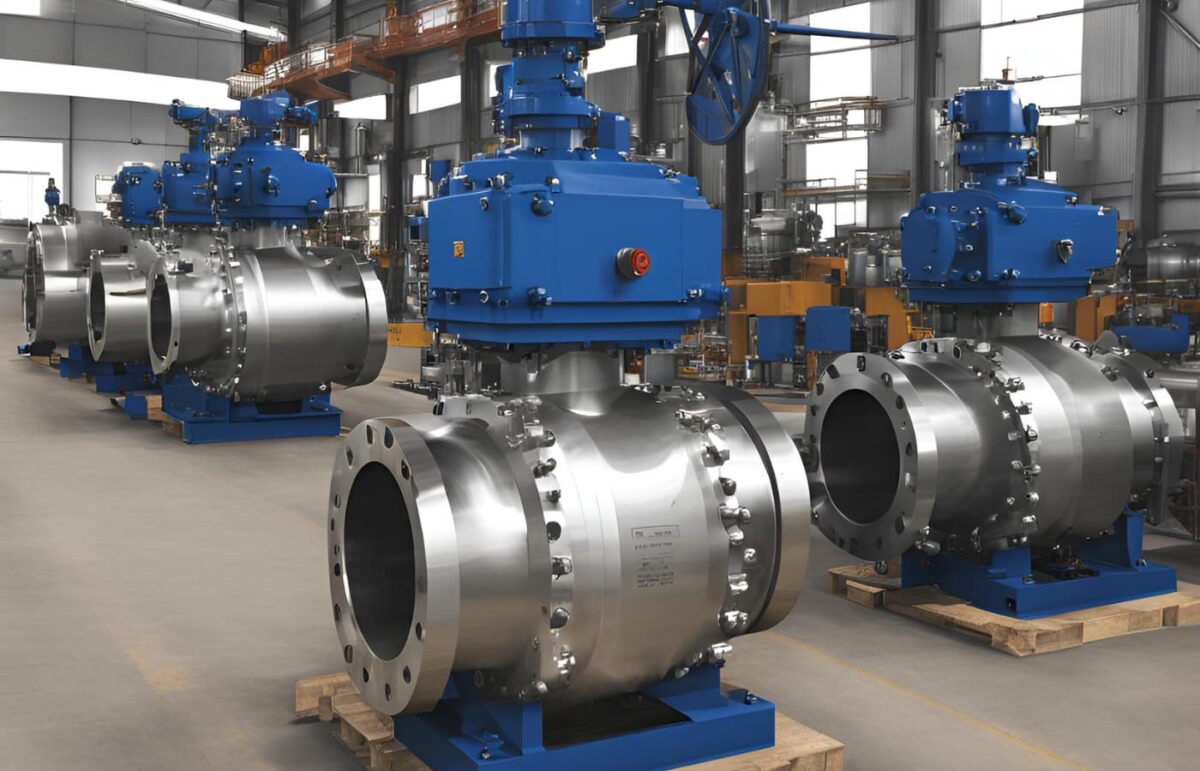
In the realm of industrial and residential plumbing, ball valves stand as unsung workhorses, diligently controlling the flow of liquids and gases within pipes. Their simple yet effective design makes them a popular choice for various applications. However, like any mechanical component, ball valves require regular maintenance to ensure optimal performance and prevent costly leaks or failures.
In the world of plumbing, ball valves are essential components that require regular maintenance to ensure optimal performance and longevity. By following the simple steps outlined in this article, you can prevent costly leaks, failures, and downtime. With proper care, your VG1875CN+943GGA ball valves will continue to serve you reliably for years to come.
Why Ball Valve Maintenance Matters
Regular maintenance is essential for several reasons:
- Prevents Leaks: Leaks can lead to significant water damage, wasted resources, and even environmental hazards.
- Ensures Proper Function: Well-maintained ball valves operate smoothly, ensuring precise control over the flow.
- Extends Lifespan: Proper care can significantly extend the lifespan of your ball valves, saving you money in the long run.
- Enhances Safety: Malfunctioning ball valves can pose safety risks, especially when dealing with hazardous materials.
Understanding Ball Valve Anatomy
Before diving into maintenance, let’s briefly understand the basic anatomy of a ball valve:
- Body: The main housing that contains the internal components.
- Ball: A spherical disc with a hole through the center that controls flow.
- Stem: Connects the handle to the ball, allowing for rotation.
- Seats: Rings that create a seal against the ball to prevent leaks.
- Packing: Material that seals the stem and prevents leaks around it.
- Handle: Used to open and close the valve.
Essential Ball Valve Maintenance Steps
1. Regular Inspection
The cornerstone of ball valve maintenance is regular inspection. Visually examine the valve for any signs of leaks, corrosion, or physical damage. Check the handle for smooth operation and ensure it’s securely attached to the stem. Listen for any unusual noises, such as hissing or squeaking, which could indicate a problem.
2. Cleaning
Over time, dirt, debris, and mineral deposits can accumulate on the ball valve’s exterior and internal components. This buildup can impede the valve’s operation and contribute to wear and tear. Clean the valve regularly using a soft cloth and mild detergent. Avoid abrasive cleaners that could damage the surface. For internal cleaning, consider disassembling the valve and cleaning the individual components according to the manufacturer’s instructions.
3. Lubrication
Lubrication is crucial for ensuring smooth operation and preventing premature wear. Apply a thin layer of lubricant to the ball and stem, paying attention to any moving parts. Use a lubricant specifically designed for ball valves to avoid compatibility issues.
4. Tightening Connections
Loose connections can lead to leaks and compromise the valve’s performance. Periodically check all connections, including the handle, stem, and body, and tighten them as needed using a wrench. Be careful not to overtighten, as this can damage the valve.
5. Testing
Regularly test the valve to ensure it’s operating correctly. Fully open and close the valve several times, checking for any leaks or resistance. If you notice any abnormalities, such as slow closing or difficulty turning the handle, further inspection and repair may be necessary.
Addressing Common Ball Valve Issues
1. Leaks
Leaks are the most common problem with ball valves. They can occur due to worn seats, damaged seals, or loose connections. If you detect a leak, try tightening the connections first. If that doesn’t work, the seats or seals may need to be replaced.
2. Sticking
If the handle becomes difficult to turn or the valve doesn’t fully open or close, it could be due to sticking. This is often caused by debris or corrosion. Disassemble the valve, clean the internal components, and apply lubricant to resolve the issue.
3. Worn Parts
Over time, certain parts of the ball valve may wear out, such as the seats, seals, or packing. Replace any worn or damaged parts promptly to prevent leaks and ensure proper function.
VG1875CN+943GGA: A Durable Ball Valve Option
When selecting a ball valve for your plumbing needs, consider the VG1875CN+943GGA model. Its robust construction and high-quality materials make it a durable choice for various applications. If you’re looking for a reliable ball valve, consider visiting a reputable plumbing supplier in Miami or your local area.
Professional Maintenance
While many maintenance tasks can be performed by homeowners, it’s recommended to have a professional plumber inspect and service your ball valves periodically, especially in complex systems or when dealing with hazardous materials. They have the expertise and tools to identify potential problems and perform any necessary repairs or replacements.
Preventive Maintenance Schedule
To make ball valve maintenance easier and more effective, consider establishing a preventive maintenance schedule. The frequency of maintenance will depend on factors such as the valve’s usage, the type of fluid or gas it handles, and the operating environment.
Here’s a general guideline for a preventive maintenance schedule:
- Monthly: Inspect the valve for leaks, corrosion, and damage. Check the handle for smooth operation.
- Quarterly: Lubricate the ball and stem as needed.
- Annually: Tighten all connections and perform a thorough inspection, including disassembling the valve if necessary.
- Biennially: Consider replacing the seats and seals, especially if the valve is used frequently or handles harsh fluids.
By adhering to a regular maintenance schedule, you can proactively address potential issues before they escalate into major problems. This will not only save you money on repairs but also ensure the continued reliability and longevity of your ball valves.