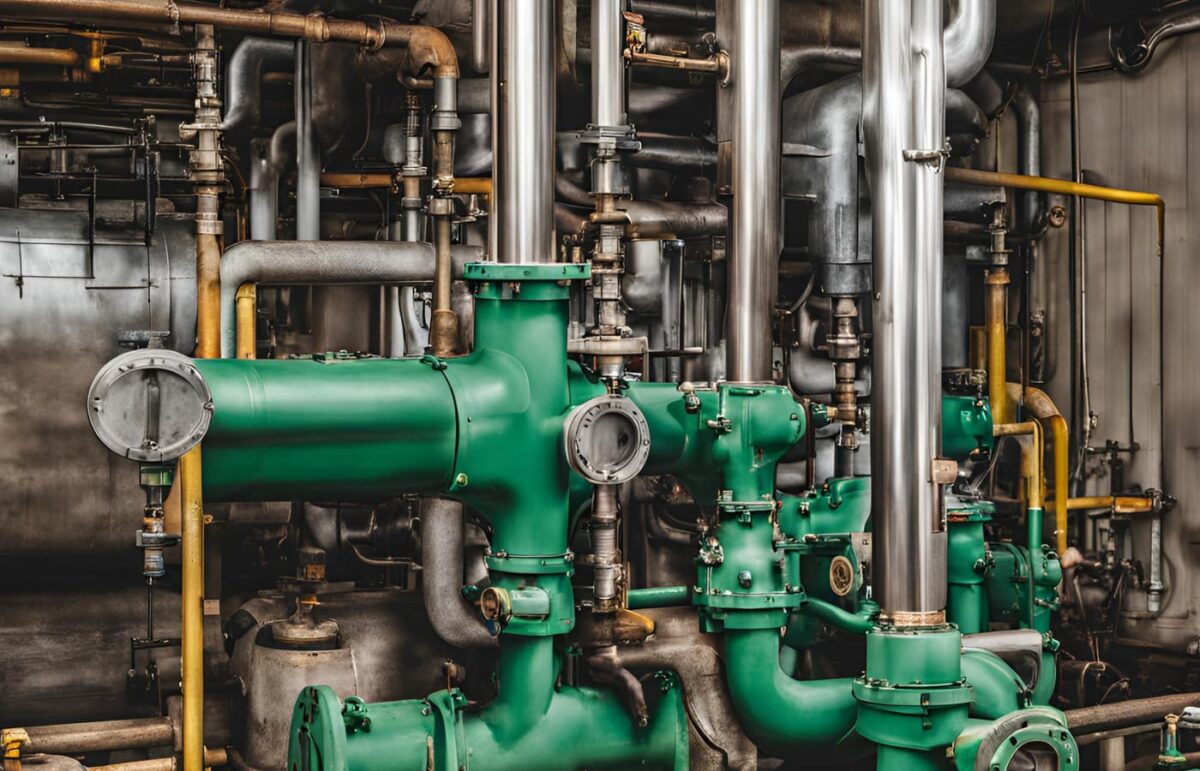
In the realm of plumbing systems, plumbing pumps often go unnoticed, working diligently in the background to keep things flowing smoothly. These unsung heroes play a crucial role in many applications, from removing wastewater from basements to circulating water in hydronic heating systems. To ensure your plumbing pump continues to operate reliably and efficiently, regular maintenance is key.
Why Plumbing Pump Maintenance Matters
Plumbing pump maintenance isn’t just about preventing breakdowns it’s about optimizing performance, saving energy, and extending the lifespan of your pump. Neglecting maintenance can lead to a host of issues, including reduced efficiency, increased energy consumption, noisy operation, and ultimately, premature pump failure. In the world of plumbing, proactive maintenance is always preferable to reactive repairs.
Understanding Your Plumbing Pump
Before diving into maintenance tasks, it’s helpful to have a basic understanding of your plumbing pump. Different types of pumps are used for various applications. Common types include:
- Sump Pumps: These pumps remove groundwater or wastewater from basements and crawl spaces.
- Sewage Pumps: These pumps handle wastewater containing solids and debris.
- Circulator Pumps: These pumps circulate water in hydronic heating systems.
- Well Pumps: These pumps draw water from a well for household use.
Key Maintenance Tasks
Regular maintenance involves a few key tasks that can be performed by homeowners or with the help of a professional plumber.
1. Visual Inspection
Regularly inspect your plumbing pump for any signs of wear and tear, such as leaks, rust, or corrosion. Check for any loose connections or damaged wiring. Listen for any unusual noises coming from the pump, which could indicate a problem.
2. Cleaning and Debris Removal
Keep the area around your pump clean and free of debris. Remove any dirt, leaves, or other objects that could clog the pump or impede its operation. If your pump has a strainer, clean it regularly to prevent debris from entering the pump.
3. Check for Leaks
Leaks can indicate a problem with the pump seals or connections. If you notice any leaks, tighten connections or replace worn seals as needed. Ignoring leaks can lead to water damage and potentially shorten the pump’s lifespan.
4. Lubrication (If Applicable)
Some plumbing pumps have parts that require lubrication. Refer to the manufacturer’s instructions to determine if your pump needs lubrication and how often it should be done. Proper lubrication can help reduce friction and wear, extending the pump’s lifespan.
5. Test the Pump
Regularly test your plumbing pump to ensure it’s working properly. Activate the pump and observe its operation. The pump should start quickly and run smoothly. If you notice any issues, such as slow starting or unusual noises, have the pump inspected by a professional.
Additional Maintenance Tips
In addition to the key tasks mentioned above, here are a few additional tips to keep your plumbing pump in top condition:
- Monitor Pump Cycles: If your pump is cycling on and off frequently, it could indicate a problem. Frequent cycling can put extra wear and tear on the pump. Check for leaks or obstructions that might be causing the pump to cycle excessively.
- Check the Float Switch: The float switch activates the pump when the water level reaches a certain point. Make sure the float switch is functioning correctly and not obstructed by debris.
- Consider a Backup Pump: In areas prone to power outages or heavy rainfall, having a backup pump can provide peace of mind and prevent flooding.
Professional Maintenance
While many maintenance tasks can be performed by homeowners, it’s recommended to have a professional plumber inspect and service your plumbing pump annually. A professional can identify potential issues early on and perform any necessary repairs or adjustments to keep your pump running smoothly.
0013-SF4Y: A Reliable Plumbing Pump
If you’re in the market for a new plumbing pump, the 0013-SF4Y is a reliable and efficient option. Known for its durability and performance, this pump is a popular choice for a variety of applications.
Troubleshooting Common Plumbing Pump Problems
Even with regular maintenance, plumbing pumps can encounter issues. Here are a few common problems and their potential solutions:
- Pump Not Starting: Check the power supply, float switch, and electrical connections. If these are in order, the motor or start capacitor may be faulty and require replacement.
- Pump Running But Not Pumping Water: Check for clogs in the impeller or discharge line. The impeller may also be damaged and need replacement.
- Pump Running Continuously: The float switch may be stuck or malfunctioning. Check for obstructions or debris that could be preventing the float switch from turning off the pump.
Conclusion
Plumbing pumps are essential components of many plumbing systems. With regular maintenance, you can ensure that your pump operates efficiently, saves energy, and lasts for years to come. By following the maintenance tips outlined in this article and seeking professional help when needed, you can keep your 0013-SF4Y plumbing pump in top condition and prevent costly repairs or replacements down the road. Remember, a well-maintained plumbing pump is a happy plumbing pump!