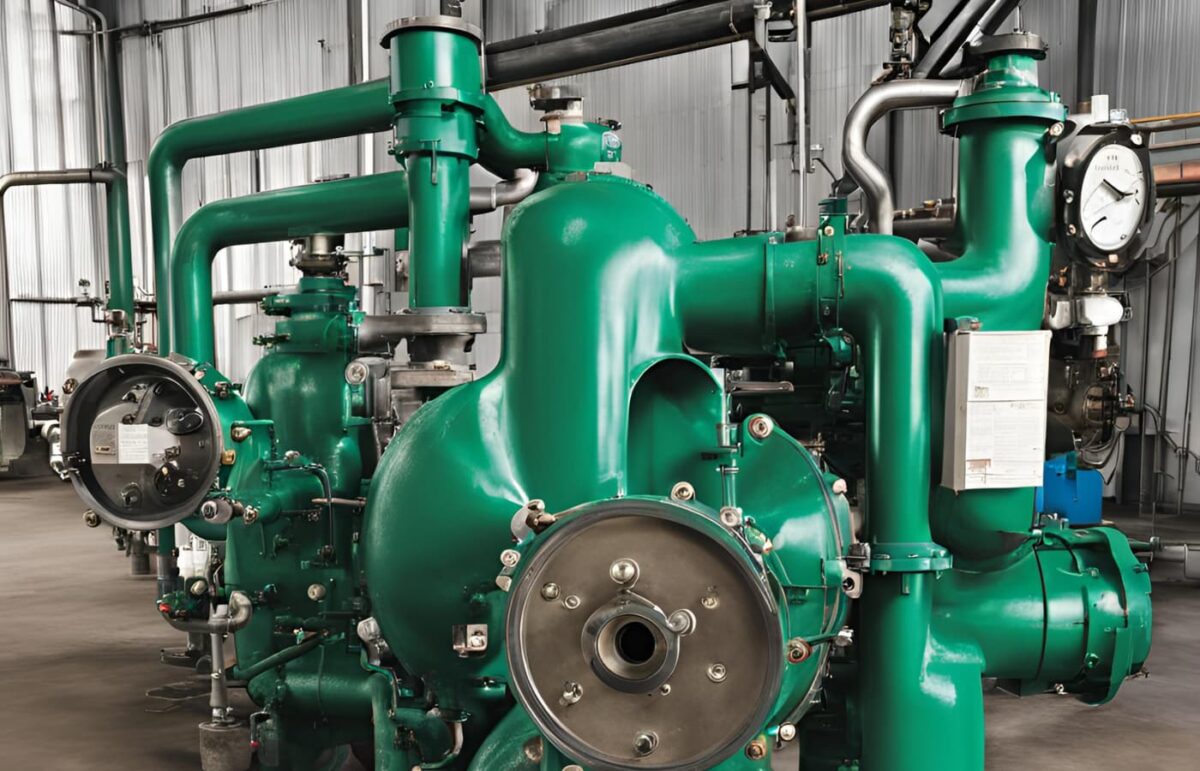
In the intricate web of plumbing systems, plumbing pumps are the unsung heroes that ensure the smooth flow of water and wastewater. Whether you’re dealing with a flooded basement, a sewage backup, or a hydronic heating system, selecting the right pump is crucial for optimal performance and efficiency. This comprehensive guide will walk you through the key factors to consider when choosing a plumbing pump, ensuring you make an informed decision that meets your specific needs.
Why Choosing the Right Pump Matters
Selecting the appropriate plumbing pump isn’t just about avoiding immediate problems; it’s about long-term efficiency, cost savings, and the overall functionality of your plumbing system. An undersized pump may struggle to keep up with demand, leading to frequent cycling, overheating, and premature failure. On the other hand, an oversized pump can waste energy and lead to unnecessary wear and tear. Therefore, finding the right balance of size, capacity, and efficiency is essential.
Understanding Plumbing Pump Types
Before delving into the specifics of pump selection, let’s explore the different types of plumbing pumps available:
- Sump Pumps: These pumps are designed to remove excess water from basements or crawl spaces.
- Sewage Pumps: These pumps handle wastewater containing solids and debris.
- Effluent Pumps: These pumps are used for pumping wastewater without solids.
- Circulator Pumps: These pumps circulate water in hydronic heating systems.
- Well Pumps: These pumps draw water from a well for household use.
Factors to Consider When Choosing a Plumbing Pump
1. Pump Capacity
Pump capacity refers to the amount of water a pump can move in a given time, typically measured in gallons per minute (GPM) or gallons per hour (GPH). To determine the required capacity, you need to consider the volume of water you need to pump and the desired flow rate.
- For sump pumps, consider the size of the sump pit, the amount of water it collects, and how quickly you need to remove it.
- For sewage pumps, factor in the number of fixtures connected to the system and the anticipated wastewater volume.
- For circulator pumps, consider the size of your heating system and the desired flow rate for optimal heating.
2. Head Pressure
Head pressure is the vertical distance the water needs to be lifted or the pressure the pump needs to overcome to deliver the water to its destination. It’s crucial to factor in both the vertical lift and any friction losses in the pipes when calculating the required head pressure.
3. Horsepower
The horsepower (HP) of a pump determines its power and ability to move water against the head pressure. Higher horsepower pumps can handle greater head pressures and flow rates, but they also consume more energy. Choose a pump with enough horsepower to meet your specific needs without being excessively powerful.
4. Efficiency
Pump efficiency refers to the ratio of the pump’s output power to its input power. A more efficient pump will consume less energy to deliver the same amount of water, resulting in lower operating costs over time. Look for pumps with high efficiency ratings to minimize energy consumption.
5. Material and Construction
The material and construction of the pump are crucial for its durability and longevity. Cast iron and stainless steel are common materials for plumbing pumps, each with its own advantages. Consider the type of water or wastewater you’ll be pumping and choose a material that can withstand the potential corrosive effects.
6. Noise Level
Plumbing pumps can generate noise during operation, which can be a concern, especially if the pump is located in a living area. If noise is a factor, look for pumps designed for quiet operation or consider installing sound insulation around the pump.
0013-SF4Y: A Reliable and Efficient Plumbing Pump
When it comes to plumbing pumps, the 0013-SF4Y is a top contender. This pump is known for its reliability, efficiency, and versatility, making it suitable for various applications, including sump pump systems in places like Miami. Its robust construction and high-quality materials ensure durability and long-lasting performance.
Additional Considerations
- Automatic vs. Manual Operation: Automatic pumps are activated by a float switch when the water level reaches a certain point, while manual pumps require manual activation. Choose the type that best suits your needs and preferences.
- Backup Power: Consider investing in a battery backup system for your pump, especially if you live in an area prone to power outages. This will ensure that your pump continues to function even during a power failure.
- Professional Installation: While some homeowners may be comfortable installing a plumbing pump themselves, it’s often best to hire a professional plumber. They can ensure proper installation, sizing, and wiring, minimizing the risk of problems down the road.
Conclusion
Choosing the right plumbing pump involves careful consideration of several factors, including pump capacity, head pressure, horsepower, efficiency, material, construction, and noise level. By taking the time to assess your specific needs and researching different pump models, you can make an informed decision that will ensure your plumbing system operates efficiently and reliably for years to come.
Remember, the right plumbing pump, like the 0013-SF4Y, is an investment in the health and functionality of your home or business. Don’t hesitate to consult with a professional plumber to get expert advice and guidance on selecting and installing the perfect pump for your needs.