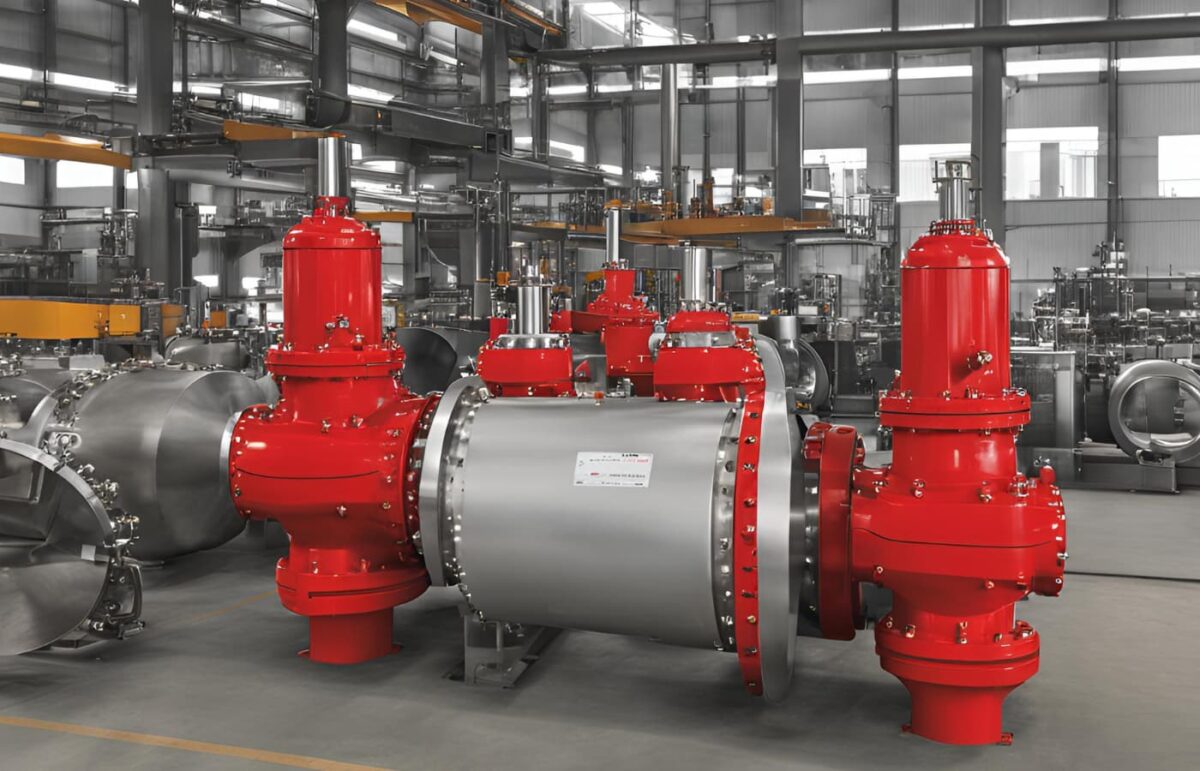
As we all know, ball valves play a crucial role in controlling the flow of liquids and gases. They are found in a wide range of applications, from residential plumbing to large-scale industrial processes. While ball valves are known for their durability and longevity, there comes a time when upgrading them becomes a smart investment. This comprehensive guide will delve into the signs that indicate it’s time for an upgrade, the benefits of doing so, and how to choose the right replacement valve.
Understanding the Importance of Ball Valves
Before we dive into the specifics of upgrading, let’s briefly revisit the importance of ball valves. These versatile valves are designed to regulate the flow of fluids by rotating a ball with a bore through its center. When the bore aligns with the pipeline, the valve is open, allowing full flow. When the ball is rotated 90 degrees, the bore is perpendicular to the pipeline, effectively shutting off the flow.
Signs It’s Time to Upgrade Your Ball Valves
1. Leaks and Drips
One of the most obvious signs that your ball valves need upgrading is the presence of leaks or drips. Even a small leak can waste a significant amount of water or other fluids over time, leading to increased costs and potential damage to surrounding equipment or structures. Leaks can occur due to worn seals, damaged seats, or corrosion.
2. Difficulty in Operation
If you find that your ball valve is becoming increasingly difficult to open or close, it could be a sign of internal wear and tear. The stem, which connects the handle to the ball, may be worn or corroded, making it harder to turn. Additionally, debris or mineral buildup within the valve can also impede its operation.
3. Visible Corrosion or Damage
Inspect your ball valves for any signs of corrosion, rust, or physical damage. Corrosion can weaken the valve body and internal components, leading to leaks and potential failure. Physical damage, such as dents or cracks, can also compromise the valve’s integrity.
4. Outdated Technology
If your ball valves are outdated, they may not be as efficient or reliable as newer models. Advancements in valve technology have led to improvements in sealing, flow control, and overall performance. Upgrading to a newer model can provide benefits such as reduced leakage, improved energy efficiency, and enhanced safety features.
5. Frequent Maintenance and Repairs
If you find yourself constantly repairing or replacing parts of your ball valves, it may be more cost-effective to upgrade to a newer model. Frequent maintenance can be time-consuming and disruptive to your operations. Upgrading to a more durable and reliable valve can minimize downtime and reduce maintenance costs in the long run.
Benefits of Upgrading Your Ball Valves
Upgrading your ball valves offers several benefits that can positively impact your operations and bottom line:
- Improved Performance: Newer ball valves often feature advanced designs and materials that offer superior sealing, flow control, and overall performance compared to older models. This can lead to increased efficiency, reduced energy consumption, and improved process control.
- Increased Reliability: Upgraded ball valves are typically more durable and reliable, reducing the risk of leaks, failures, and unexpected downtime. This can be particularly important in critical applications where valve failure can have serious consequences.
- Enhanced Safety: Newer ball valves may incorporate safety features such as anti-static devices, fire-safe designs, and double block and bleed capabilities. These features can help prevent accidents, protect personnel, and minimize the risk of environmental damage.
- Reduced Maintenance Costs: While upgrading your ball valves requires an initial investment, it can save you money in the long run by reducing maintenance and repair costs. Newer valves are typically designed for easier maintenance and may require less frequent servicing.
- Energy Efficiency: Upgrading to more efficient ball valves can help you reduce energy consumption and lower your operating costs. Some newer models are designed to minimize pressure drop, which can lead to significant energy savings, especially in large-scale systems.
Choosing the Right Replacement Ball Valve
When upgrading your ball valves, it’s crucial to choose the right replacement valve that meets your specific needs and requirements. Consider the following factors:
- Material: Choose a valve material that is compatible with the fluid or gas you’re handling. Common materials include brass, stainless steel, PVC, and CPVC.
- Size and Pressure Rating: Ensure the valve size matches your pipe diameter and that the pressure rating is suitable for your system’s operating pressure.
- Connection Type: Choose the right connection type (threaded, flanged, or welded) based on your existing piping configuration.
- Temperature Rating: Consider the temperature range of the fluid or gas to ensure the valve can handle it safely.
- Additional Features: Depending on your application, you may need additional features such as a locking device, extended stem, or special coatings.
ST2-05-2-03/VAMS24-27: A Reliable Ball Valve Option
When it comes to upgrading your ball valves, the ST2-05-2-03/VAMS24-27 model is a reliable option. Known for its durability and performance, this ball valve is a popular choice for various industrial applications, including in cities like Miami where reliable plumbing is crucial.
Conclusion
In the realm of plumbing and industrial systems, ST2-05-2-03/VAMS24-27 ball valves are essential components that play a critical role in controlling the flow of fluids and gases. While they are designed to be durable, there comes a time when upgrading your ball valves becomes a smart investment. By recognizing the signs that indicate it’s time for an upgrade, understanding the benefits of doing so, and choosing the right replacement valve, you can ensure that your systems operate efficiently, reliably, and safely for years to come.
Remember, upgrading your ball valves is not just an expense, it’s an investment in the long-term health and performance of your systems. It’s a decision that can pay dividends in the form of reduced maintenance costs, improved energy efficiency, and enhanced safety.